
The Order It Happens In
An inspection has a sequence, and it is not the order you would walk a house as a buyer. Exterior first while the light is good, then the roof, then the attic, then systems, then room by room, then the walkthrough with you.
Exterior and grounds, 40 minutes
Stucco and block walls, control joints, soffit and fascia, grading and how water leaves the lot, driveway and walk condition, the screen enclosure frame and its fasteners, the pool deck and equipment pad. On golf course lots this is also where sprinkler overspray and screen panel damage get recorded.
Roof, 30 minutes
Walked where the pitch and covering allow. Covering condition and estimated age, flashings at every penetration, valleys, boots, ridge and hip lines, gutters. Concrete tile gets inspected from the edge and by camera rather than walked. The method used is recorded per slope.
Attic, 30 minutes
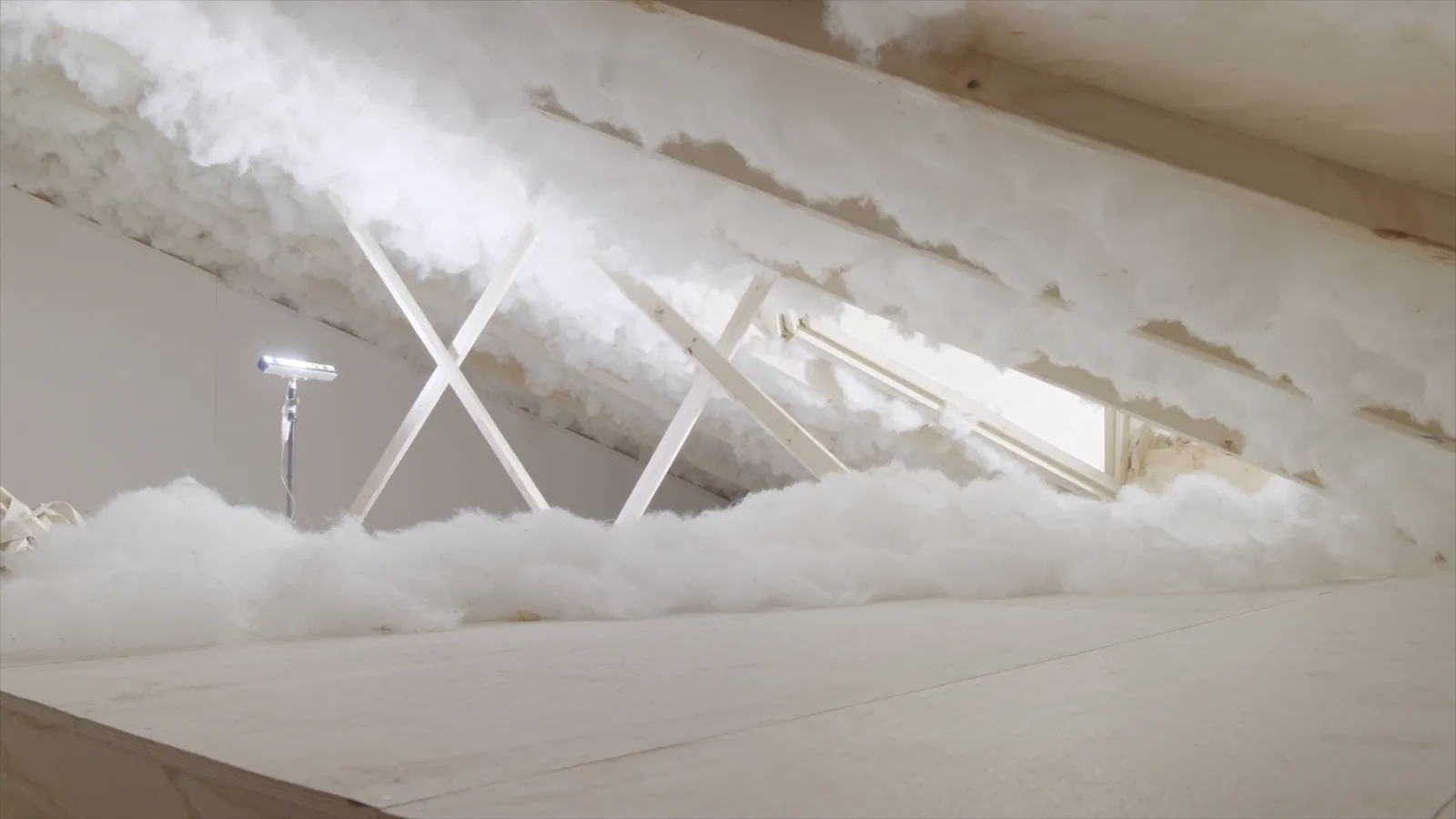
Entered wherever it can be reached safely. Decking and sheathing condition, staining and past leaks, insulation depth and coverage, ventilation, bathroom fans terminating where they should, and the roof-to-wall connection photographed for the wind mitigation form. This is the least comfortable half hour of the day and the one that pays for itself.
Systems, 60 minutes
Panel dead front off, breakers and wiring examined, GFCI and AFCI protection tested. Supply piping identified at the water heater and wherever else it is visible. Water heater age and condition, drain lines, every fixture run and watched. Air handler, condenser, data plate ages, temperature split measured at the register.
Interior and walkthrough, 60 minutes
Room by room with the thermal camera, confirmed with a moisture meter wherever it reads cold. Windows and sliders operated. Then twenty minutes with you, in front of the actual findings, before anyone writes anything down.
What Turns Up in Suntree Homes
A community built between the mid-1980s and 2000 produces a predictable list, and after enough houses in 32940 the list stops being a surprise.
The Four That Repeat
Polybutylene supply piping, identified at the water heater, gray and flexible, with a failure mode that starts at a fitting inside a wall. Roof-to-wall connections that predate the 2002 Florida Building Code, which set your wind mitigation credit long before you owned the place. Air handlers, condensers and water heaters original to the house and running past the point where anyone would call replacement optional. And a screen enclosure with fasteners that have been corroding since it went up.
The Ones People Do Not Expect
Failed seals in double-pane windows and sliders, which show as fogging between the panes and are the most common single finding in houses of this era. Stucco staining that looks like a moisture intrusion and turns out to be a sprinkler head pointed at the wall for fifteen years. Bathroom exhaust fans venting into the attic instead of through the roof, which in a humid house is how you grow a problem above the ceiling. Condensate lines with no cleanout access, or with a slow leak into a wall cavity nobody has opened.
What you are paying for is the attic and the panel. Anyone can photograph a stained ceiling. The findings that change a price, an insurance quote or a decision to walk are almost always in the two places that are uncomfortable to get into, and those are the first two things a short inspection quietly leaves out.
Getting the House Ready
Most delays on inspection day come from access, and every one of them is avoidable with a phone call the day before.
What Has to Be On and Open
Power, water and gas live, which matters most at a vacant listing where the seller shut everything off months ago. An inspector cannot test what will not turn on, and a report full of "not evaluated, utilities off" is worth a fraction of what you paid. Clear a path to the electrical panel, the attic hatch, the water heater and the air handler. Unlock the pool equipment gate and the screen enclosure door. Secure pets, because a nervous dog and an open attic hatch is a bad combination.
Mistakes Worth Avoiding
Booking so late in the inspection period that there is no time left to get a plumber or a roofer out for a second opinion. Skipping the wind mitigation report on a house where it is free and the credits are the whole point. Asking for a verbal summary instead of reading the report, then discovering in a negotiation that you cannot cite anything. And treating the walkthrough as optional, when it is the twenty minutes where the findings actually get explained by the person who found them.
After the Report
It lands within 24 hours, usually the same evening, photographed throughout and organized by consequence rather than by room.
Read the summary first, then the photographs of anything in it. Findings that need a licensed specialist are named as such, with what to ask that specialist. Call if a line is unclear, because a report you half understand is not much better than no report, and the explanation is included in what you already paid. Prices are on the cost page, timing for buyers is on the buyer's inspection page, and the Suntree home inspector page covers what makes this housing stock its own thing.