
Nobody Passes or Fails
It is the most common question sellers ask and it rests on a mistake worth clearing up first. A home inspection is not an exam. There is no grade, no score, no threshold and no certificate at the end. What comes out is a description of the property as it was on that day, photographed, with findings sorted by how much they matter.
Which means preparation is not about hiding anything. It is about making sure the inspector can actually reach and test everything, so the report describes the property rather than describing what could not be reached. A seller who approaches it as a test to be passed starts painting over stains, and a moisture meter reads straight through fresh paint. Now the report records the moisture and the new paint on top of it, and a buyer who reads that stops trusting anything else in the house.
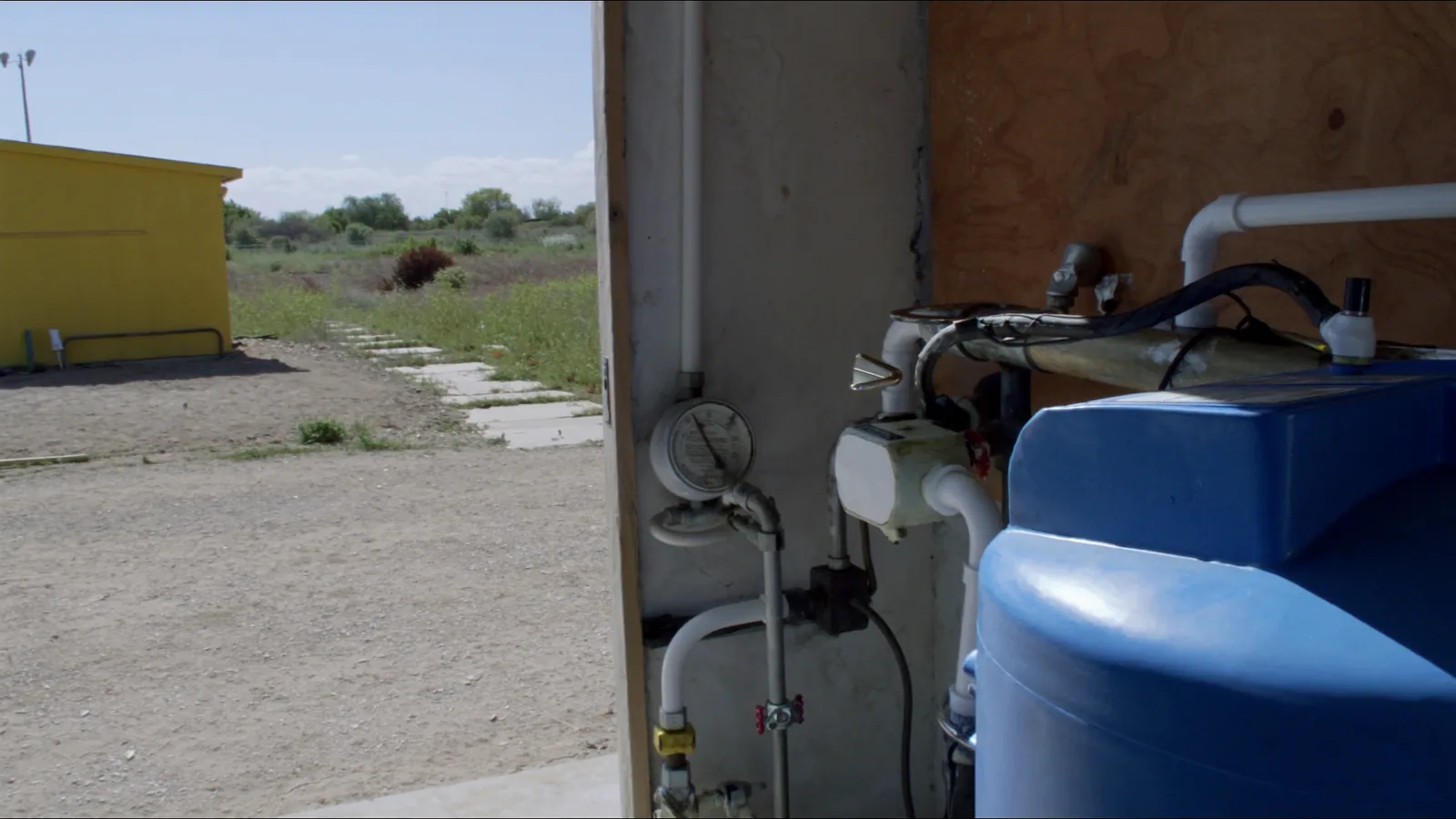
On a well property, the power is not a formality. No power means no pump. No pump means no water pressure, nothing to test at any fixture, no way to check how the pressure tank behaves and nothing useful to say about the plumbing. A vacant listing with the breakers switched off is not a partial inspection out here, it is most of one lost. Confirm the utilities are on before you confirm the appointment.
The Unlock List
Longer than a suburban one, and every item on it is somewhere an inspector cannot go without a key or a code.
- Electrical panel, with three feet of clear space
- Attic hatch, nothing stacked underneath
- Water heater and air handler
- Well equipment or pump house
- Propane tank enclosure
- Any gate across the drive
- Outbuildings included in the booking
Dogs secured, and on acreage that is worth saying twice, because a loose dog on ten acres delays everything and an inspector who cannot walk the property cannot report on it. If a building is padlocked and the key has been lost since the last owner, say so when you book rather than on the morning, and the report will record it as inaccessible instead of the day being spent working around it.
Paperwork That Turns Guesses Into Facts
An inspection estimates ages from data plates and condition. Documents replace estimates, and out here there are more of them than usual.
The House
The roof permit or replacement invoice, which is the most valuable piece of paper in any Florida file because the covering date drives insurability and your wind mitigation credit. HVAC and water heater installation records. Any electrical or plumbing repair receipts.
The Well
Whatever exists. Drilling records showing depth and date, pump installation and any replacement, and previous water test results. Many owners have none of it, which is not a problem, it just means everything gets reported from what is visible. Where records do exist they are worth digging out, because a pump with a known install date is a very different proposition from a pump of unknown age.
The Septic
The permit if it can be found, the date of the last pump-out, and any repair history. The pump-out date matters most. A tank that was serviced eighteen months ago and one that has not been opened since 2009 are different risks, and neither is visible from the surface. This paperwork also tells the septic contractor where to dig, which saves you money on their visit.
The Propane
The tank contract, showing whether it is owned outright or leased from a supplier. Not an inspection matter, and a genuine thing buyers are surprised by after closing.
Worth Doing, and Not Worth Doing
Worth an Afternoon
Replace dead bulbs, because an inspector cannot distinguish a dead bulb from a dead circuit without testing and a page of them makes a property read as neglected. Put outlet and switch covers back on. Fix the running toilet and the dripping tap. Change the air filters. Trim vegetation back off the walls and the roof edge. Clear the garage or the pump house enough that things are reachable. All cheap, all obvious, none of it anything a buyer would question.
Not Worth Starting
Any repair you cannot finish before the appointment. Painting over a stain, which a moisture meter reads through anyway. Turning the air conditioning off overnight to save a few dollars, because a system that has not run cannot be properly tested. And emptying the house of every scrap of evidence that anything was ever repaired, which sounds absurd and is a thing people do.
On the Day
Three to four hours for a typical house, longer on a property with outbuildings included. Come for the last hour.
The first two are methodical and largely silent, and watching them tells you less than you would expect. The walkthrough at the end is the part worth being present for, and on a property with a well and a septic system it is worth more than usual, because you are about to own two systems you have probably never owned before and this is your chance to ask somebody standing next to them. What a pressure tank does, what short cycling means, where the drainfield runs and what to keep off it.
The report follows within 24 hours, usually the same evening, photographed and grouped by consequence. Then book the water test and the septic contractor, which the cost page explains why we do not sell. Prices, the questions to ask any inspector, and the Grant Valkaria home inspector page cover the rest.