
Why There Is No List
Every page with this title was written by one of the companies on it, and ours would rank us first. So instead of a ranking, here is the thing that actually separates inspectors out here.
Most of Brevard is municipal water, municipal sewer and a quarter-acre lot. An inspector can build a whole career on that and never touch a pressure tank. Grant Valkaria properties come with a well, a septic system, propane and usually a building or two beyond the house, and an inspector who has not worked them will either skip those systems or, worse, describe them confidently without knowing much. Five minutes on the phone will tell you which you have.
Six Questions for a Well and Septic Property
- What do you check on the well equipment?
- What do you not check on the well?
- Where exactly do you stop on the septic system?
- Are the outbuildings included or quoted separately?
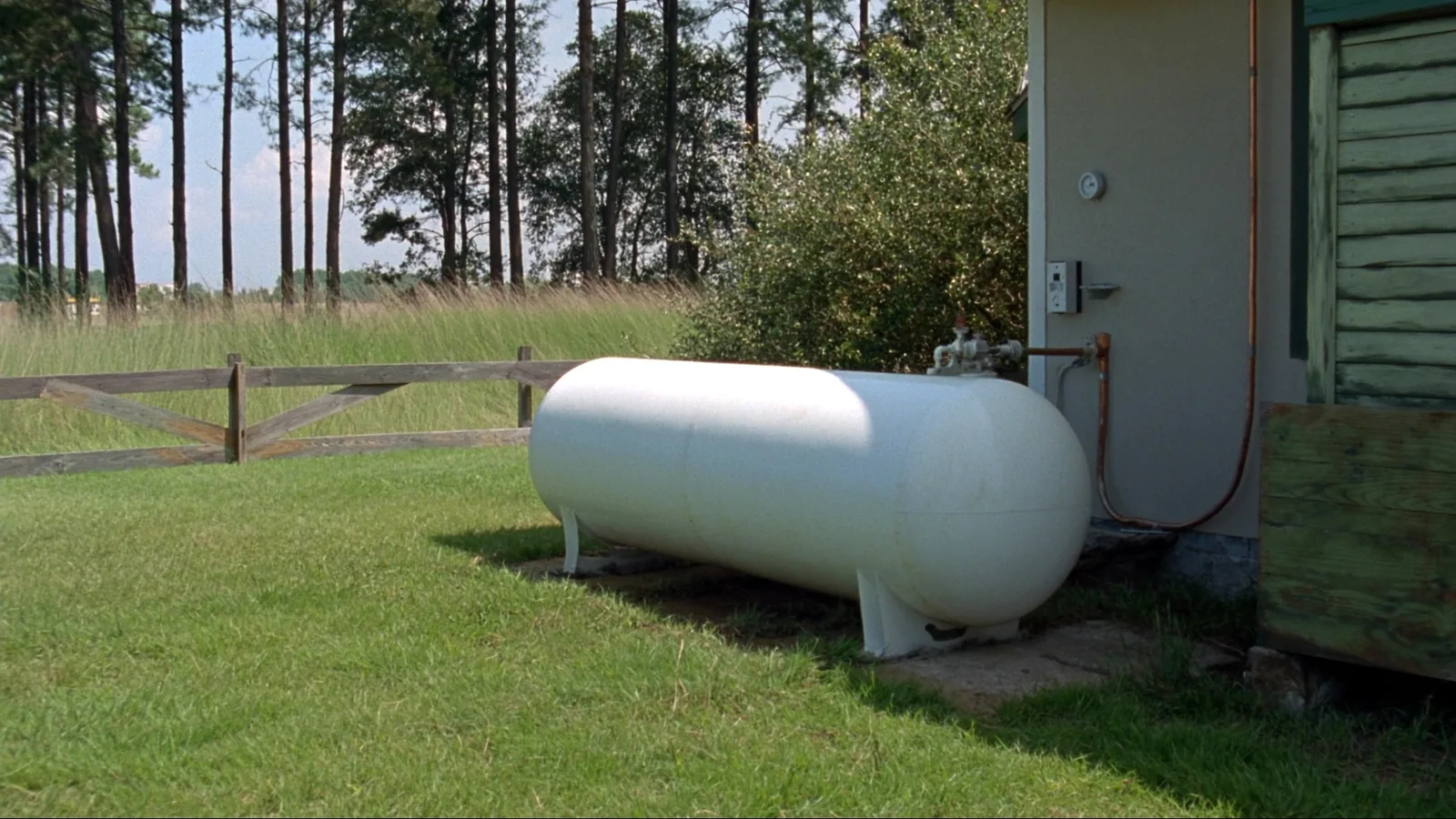
- What do you do about the propane tank and its piping?
- Which specialists will I need after your report?
The second and third questions are the ones that matter. Anyone can list what they inspect. An inspector who can tell you crisply what they do not inspect, and who is licensed to do it instead, is an inspector who understands the boundary of their own credential. Vagueness there is not modesty. It is the setup for a report that implies more certainty than anybody actually has.
What Good Answers Sound Like
On the well: pump, pressure tank, pressure switch and contacts, visible wiring, well head and cover, then pressure and flow at the fixtures with more than one running. On what they do not check: water quality and yield, both of which need a certified laboratory and a test rather than an opinion. On the septic: documented as septic, visible condition reported, warning signs recorded, and then a licensed septic contractor to open, pump and evaluate. On outbuildings: quoted honestly, with fencing and agricultural equipment out of scope. On propane: tank, clearances, regulator, visible piping and the appliances it feeds.
And on the last one, a named list before you have to ask. Certified laboratory for the water. Licensed septic contractor for the tank and field. Florida-licensed professional engineer for anything structural. Licensed mold assessor if there is a moisture problem worth sampling. An inspector who answers that question well has just told you they are not going to oversell you.
What We Do Not Do
Worth saying plainly on this page, because two of the services people expect to find advertised on a page like this one are services no home inspector should be selling.
Mold Testing
Mold assessment is a separate Florida license under its own chapter of the statutes, and a home inspector license is not it. What an inspection provides is visible suspected growth, elevated moisture readings confirmed with a meter, and the condition producing them, which out here is often a bath fan discharging into an attic or a condensate line leaking into a wall. Air sampling, laboratory analysis and a written mold assessment come from a licensed mold assessor. Anyone offering it as a casual upsell alongside a home inspection is worth a question about which license it falls under.
Structural Verdicts
An inspector identifies and reports the evidence of a structural concern. A Florida-licensed professional engineer evaluates it and stamps the answer. Those are different jobs and the second one carries a seal for a reason. An inspector who tells you a crack is definitely nothing is exceeding their license just as surely as one who tells you it is catastrophic.
The License, and What It Is Not
Florida has licensed home inspectors since 2010. The license requires approved training, a state exam, general liability and errors and omissions coverage, and continuing education to renew. Search a name or number at MyFloridaLicense.com and you get status, expiry and any discipline in about thirty seconds. Ours is HI 11755.
There is no separate rural, well or septic certification in Florida, so treat any implication of one carefully. Association memberships such as InterNACHI or ASHI mean continuing education and a code of ethics, which is worth having and is not a substitute for the state license. Our licensed inspectors page goes through what the license covers and where it stops.
Reading Reviews
Inspection reviews are easy to fake and hard to interpret, because most people hire exactly one inspector in their life and have nothing to compare against.
A real one names something specific. A finding, a system, a moment on the day. "Found the well pump short cycling and told us what it meant" is a review. "Great service, very professional" could describe a dentist. Ours are on Google, where customers left them and where we cannot edit them. We do not publish selected quotes on our own pages, we do not trade anything for reviews, and we do not write our own. Apply that standard to everyone on your shortlist.
On Price
Fees around Brevard sit in a narrow band, so a quote well below the rest is fewer hours rather than a cheaper hour, and out here the first hours to disappear are the ones spent past the back door. Our whole schedule is published on the cost page, including what we charge for outbuildings and what we tell you to buy elsewhere. The Grant Valkaria home inspection page covers the systems themselves.